Inguinal hernia treatment covered under mandatory health insurance
01.07.2024, 11:18
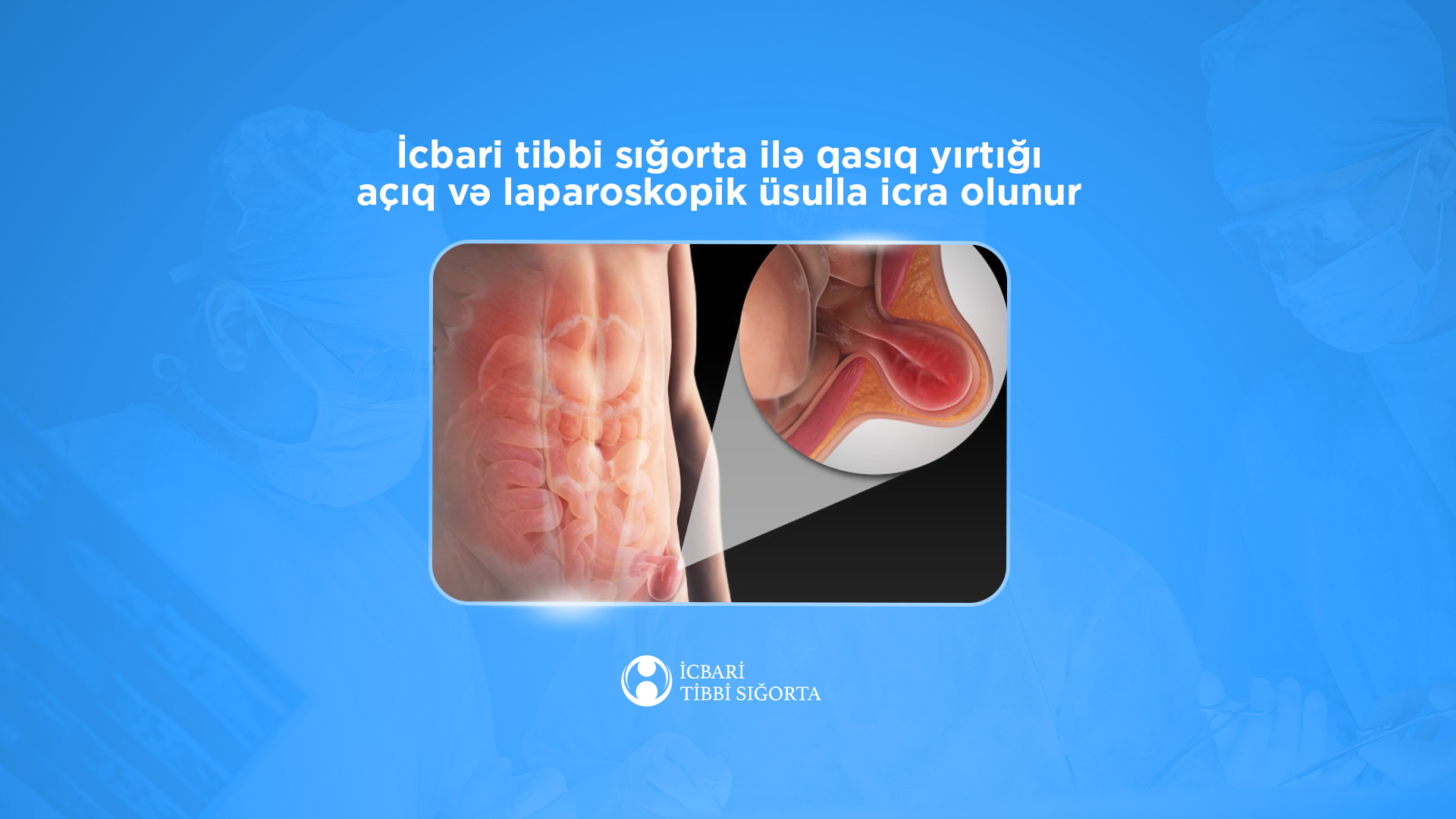
Between 2022 and the first four months of 2024, a total of 26,494 inguinal hernia operations were performed under mandatory health insurance. Of these, 25,793 were conducted using the open surgical method, and 701 were performed laparoscopically. Inguinal hernia is one of the most common types of hernia, occurring in the lower groin area of the abdomen. It often results from the protrusion of fatty tissue or parts of the small intestine into the subcutaneous area.
Inguinal hernias are classified into two types: oblique and direct inguinal hernias. Under mandatory health insurance, 19,585 surgeries were performed to repair left inguinal hernias, and 6,909 surgeries were for direct inguinal hernias.
Symptoms of an inguinal hernia typically include swelling in the groin area, a feeling of heaviness in the abdomen, discomfort during walking, and pain in the groin when coughing, lifting weights, or straining. If these symptoms are present, it is crucial to consult a doctor promptly.
To diagnose an inguinal hernia, a doctor may prescribe a physical examination, as well as instrumental examinations such as ultrasound (USM), X-ray, contrast irrigoscopy, cystography, computed tomography (CT), or magnetic resonance imaging (MRI). All these diagnostic procedures are covered under mandatory health insurance.
Inguinal hernias can be congenital or acquired. Congenital inguinal hernias occur when the scrotum is exposed at birth due to an open protrusion of the peritoneum, leading to displacement of abdominal organs or fluid into the groin or testicles. Acquired inguinal hernias often result from poor development of the abdominal wall in the inguinal region. The primary treatment for hernias, which are more common in men than women, is surgical intervention. During surgery, a polypropylene mesh may be attached to the back wall of the hernia if necessary.
Inguinal hernias can also occur from lifting heavy weights, being overweight, engaging in strenuous activities, or making sudden movements. Women may also face an increased risk of developing an inguinal hernia following pregnancy.
Pre-operative examinations, doctor's consultations, resuscitation, anesthesia, inpatient laboratory and instrumental examinations, medications, medical supplies (including polypropylene mesh), and the feeding of patients and accompanying person for children up to 12 years old are all covered under mandatory health insurance.
Inguinal hernia surgeries are performed under mandatory health insurance at state medical facilities supervised by TABIB, as well as at the Scientific Surgery Center named after M.A. Topchubashov and the Scientific Research Pediatric Institute named after K.Y. Farajova, both under the Ministry of Health.


 View all news