Aortic replacement surgeries saved 256 people from sudden death
10.02.2025, 06:17
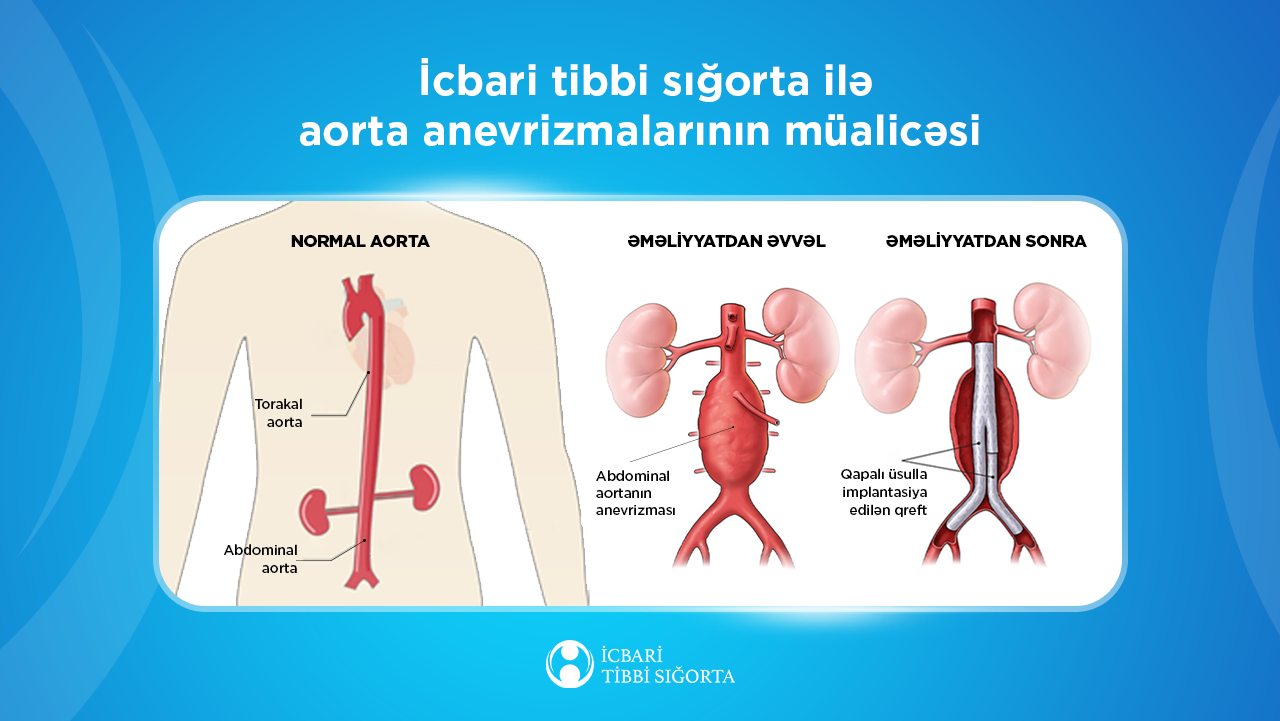
Aorta, the largest artery in the body, plays a vital role in systemic circulation by supplying oxygen-rich blood to all organs and tissues. It extends through the thoracic and abdominal cavities. An aortic aneurysm is a pathological condition in which the aortic wall weakens, leading to localized dilation of the vessel, wall thinning, and potential stratification in the affected area.
Diagnostic methods and surgical treatments for aortic aneurysms covered by mandatory medical insurance include ultrasound, transesophageal echocardiography (TEE), radiography, aortography, contrast-enhanced CT and MRI, coronary angiography, as well as surgical interventions using open and endovascular methods.
In 2024, a total of 256 aortic aneurysm repair surgeries were performed under mandatory health insurance. Of these, 143 procedures were carried out using minimally invasive endovascular methods, known as EVAR (endovascular aortic valve replacement) and TEVAR (thoracic endovascular aortic repair). 113 operations involved aortic valve replacement with a tissue graft using open or other surgical techniques.
The most modern and minimally invasive method for treating aortic aneurysms is endovascular aortic valve replacement (EVAR and TEVAR). Under local or general anesthesia, a catheter is inserted into a vein through a small 1–2 cm incision in the groin, and a synthetic graft is deployed in the damaged segment of the aorta. Since the abdominal cavity and chest are not opened, this procedure is less traumatic and associated with a shorter, more comfortable recovery compared to open surgery.
However, depending on factors such as the aneurysm’s anatomical location and the patient’s age, open surgery may be necessary. The affected portion of the aorta is removed and replaced with an artificial graft. In some cases, hybrid surgery combining open and endovascular methods may be performed. The choice of surgical approach is determined by the physician after thorough examination.
Treatment and diagnostics of aortic aneurysms under mandatory medical insurance are provided in state medical institutions under the Administration of the Regional Medical Divisions, at the Scientific Surgery Center named after Acad. M.A. Topchubashov of the Ministry of Health, and in medical institutions (private or state-affiliated) that have contracts with the State Agency on Mandatory Health Insurance based on a referral.
Risk factors for developing aortic aneurysms include long-term high blood pressure, high cholesterol, atherosclerosis, syphilis, tuberculosis, diabetes, genetic predisposition, hereditary connective tissue disorders (such as Marfan or Ehlers-Danlos syndrome), smoking, drug use, aging, and chest trauma from traffic accidents or falls.
Aortic dilation may develop without symptoms for a long time, but it can lead to a life-threatening condition. The most dangerous complication is aortic dissection or rupture. This life-threatening condition (aortic dissection) requires emergency hospitalization and surgery. If left untreated, aortic dissection can result in sudden death.
The recovery period after surgery varies depending on the type, size, and location of the aneurysm. After open surgery, recovery typically takes 4–6 weeks. The length of hospital stay depends on the patient’s condition, the complexity of the procedure, and the presence of complications. Usually, patients remain under medical supervision for at least one week following surgery.


 View all news