234 ophthalmological operations performed to restore the tear duct
10.03.2025, 08:16
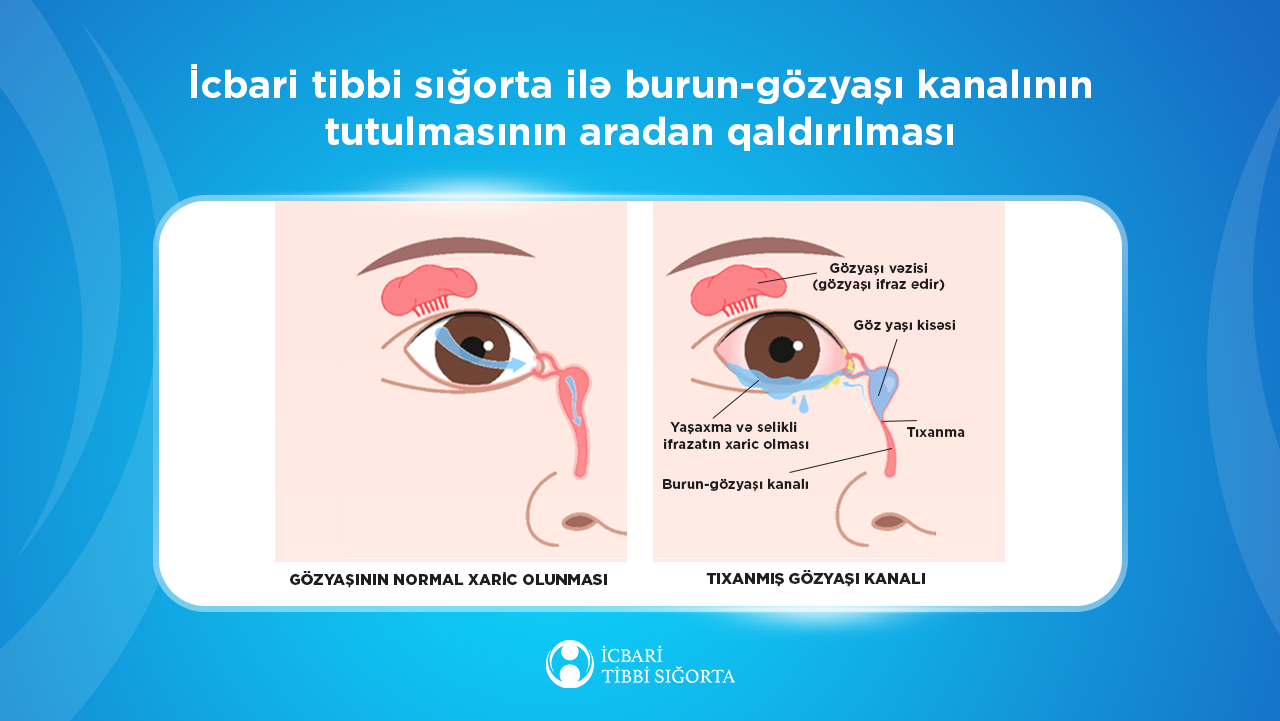
Dacryocystitis is an inflammatory disease of the lacrimal sac. Any form of dacryocystitis (acute, chronic, etc.) is caused by narrowing or blockage of the tear duct. It can be congenital (present in newborns) or acquired. In newborns, congenital causes include anomalies of the lacrimal ducts or a dense epithelial membrane in the distal part of the duct. Acquired causes may include acute respiratory viral infections, chronic rhinitis, sinusitis, nasal polyps, adenoids, or fractures of the nasal bones and orbit. This form of the decease can develop at any age.
Diagnosis under mandatory medical insurance is conducted by examination by a qualified doctor, X-ray with contrast, microbiological analysis of fluid from the lacrimal sac, including antibiotic sensitivity testing, CT or MRI if needed.
Blockage of the duct prevents tears from draining into the nasal cavity, leading to excessive tearing (epiphora). Dacryocystitis presents with redness and swelling around the eye, discharge of mucous or purulent material from the tear duct when pressure is applied, redness of the eye’s mucous membrane, fever, and decreased visual acuity if the inflammation involves the cornea. The occurrence of an unpleasant situation negatively affects health and reduces quality of life.
Treatment is prescribed based on the form of the disease and the patient’s overall health condition. In congenital cases, massage and probing of the tear duct are usually sufficient to resolve the condition. Treatment of acute dacryocystitis involves a combination of therapeutic measures. Initial complex treatment includes prescribing antibiotics, physiotherapy, applying warm dry compresses, draining and surgically treating any formed abscess, and irrigating the tear duct, among other measures.
Surgical intervention is required when conservative treatment fails to achieve the desired results or in chronic forms of dacryocystitis. The goal of the surgery is to create a new duct between the lacrimal sac and the nasal cavity, or to restore the patency of the existing duct, to reestablish normal tear flow. Performing the surgery under local anaesthesia using the endonasal method results in a shorter hospital stay, faster recovery, and a reduced risk of postoperative complications. After surgery, the patient’s symptoms are relieved, and quality of life improves significantly.
Examination and treatment of the disease, including surgical procedures, are covered by mandatory health insurance. In 2024, 234 tear duct restoration surgeries were performed under mandatory insurance.
To access medical services under compulsory health insurance, it is sufficient to visit state medical institutions under the Administration of the Regional Medical Divisions (TABIB) or scientific research institutes of the Ministry of Health with an identity card.


 View all news